Three practical examples

Different problems. Same approach.

These are not polished campaign case studies built around perfect conditions. They are examples of working with the situation in front of me, identifying what matters, making a decision and learning from the result.

Partnerships

Collaboration and Partnerships

When campaign ambition was larger than the available budget, I treated partnerships as a commercial value exchange rather than simply asking contacts for favours.

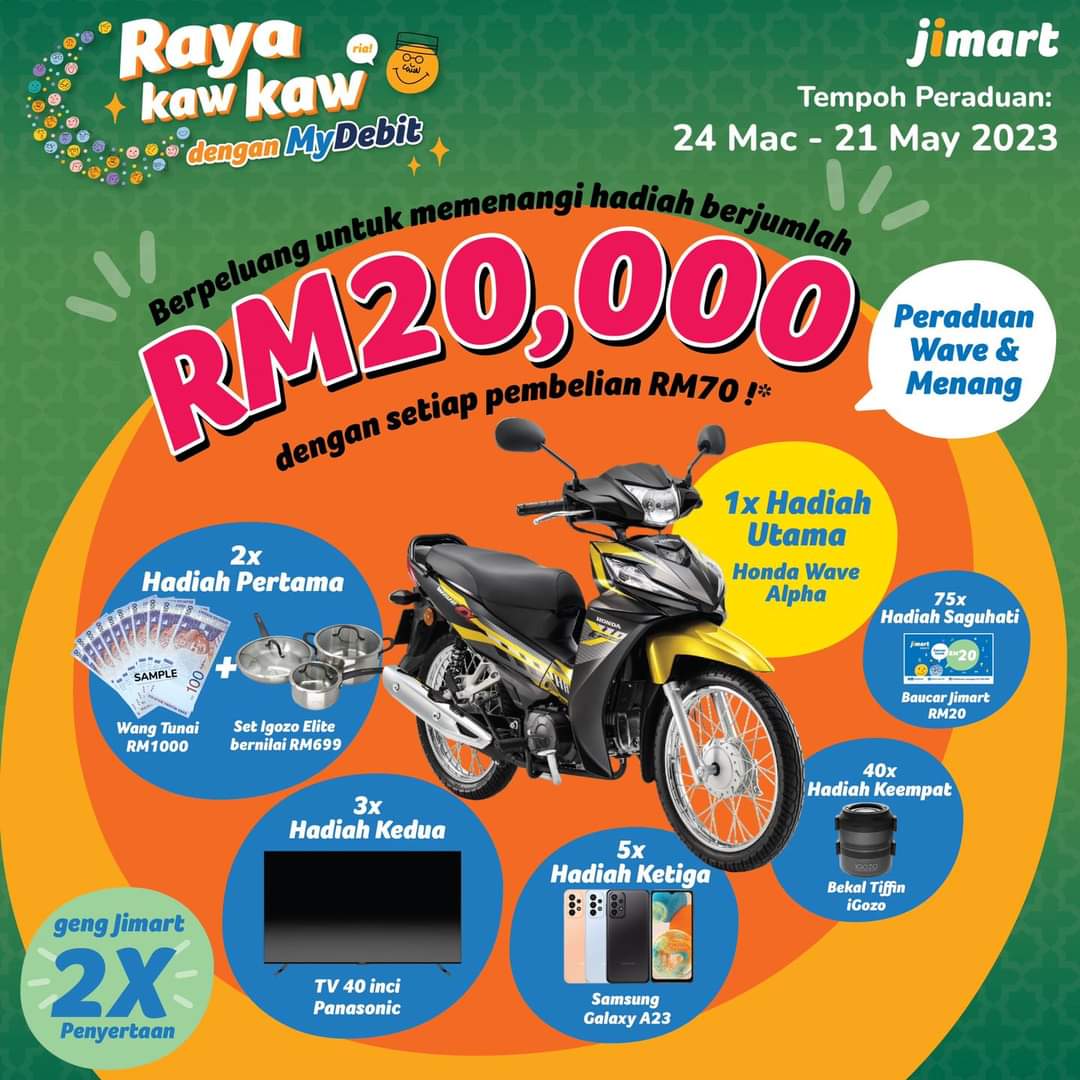
RM20K campaign prize pool supported through the MyDebit partnership
Jimart Raya Kaw Kaw campaign artwork featuring a RM20,000 prize pool with MyDebit Jimart Lucky Draw Live promotional artwork featuring Eric Low and a colleague
MyDebit x Jimart campaign, 2023. Partnership support helped extend the campaign through a RM20,000 prize pool, followed by a live lucky draw.

Situation

In a previous SME role, I worked on campaigns where the ambition was bigger than the budget available. Partnerships were one way to extend the campaign without simply asking for more spend.

What I noticed

A relationship can get you into the room, but it does not automatically make a partnership worthwhile. The other side still needs a clear reason to participate.

What I changed

I approached collaboration as a value exchange rather than a favour. Existing connections helped open conversations, while audience data and campaign relevance helped show why the partnership made commercial sense for both sides.

What happened

The partnership supported a campaign prize pool worth RM20,000, followed by a live lucky draw.

Relationships create access. Data and mutual value help turn access into collaboration.

Lean Marketing

Marketing With Lean Resources

With limited resources and competing objectives, the problem was not finding more things to do. It was deciding what deserved focus.

1 marketing staff member supporting a broad marketing scope
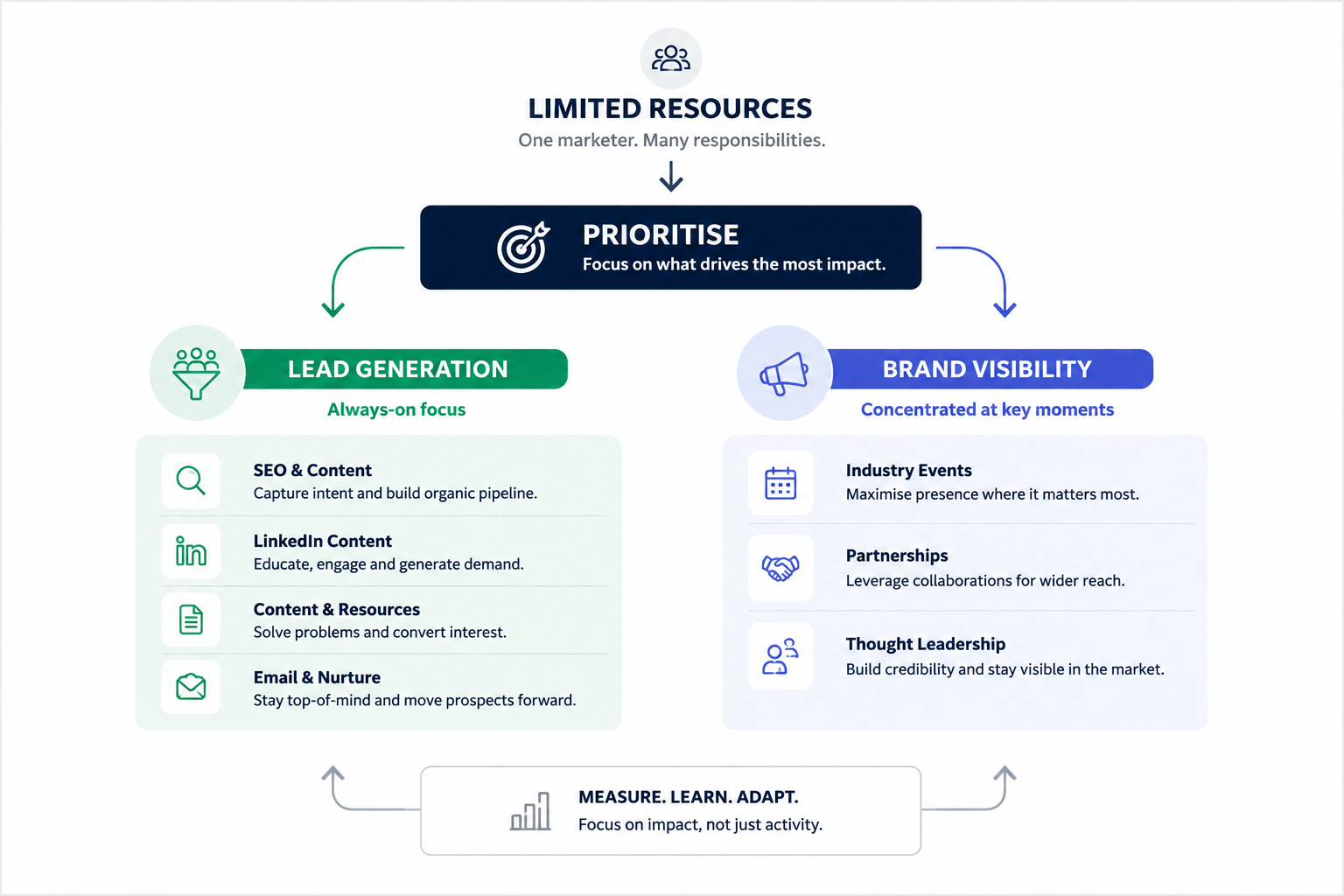
Diagram showing limited marketing resources being prioritised between always-on lead generation and brand visibility at key moments
A simple view of the prioritisation approach: always-on lead generation, with brand visibility concentrated around key moments.

Situation

In a lean marketing setup with one marketing staff member, a limited advertising budget, and a long list of work to get through, the challenge was not coming up with more ideas. It was deciding what deserved attention first.

What I noticed

We were trying to support events, LinkedIn, SEO, blogs, partnerships and day-to-day marketing needs at the same time. At one point, there was pressure to push for stronger lead numbers while still maintaining broad branding activity.

Trying to do both equally would have meant doing both halfway.

What I changed

I separated the objectives instead of forcing every activity to do everything. Lead generation became the clearer priority for ongoing marketing work, while brand visibility was concentrated more heavily around industry events and other moments where the audience and context were already there.

What happened

The result was a healthier flow of leads without abandoning brand-building altogether. Instead of spreading resources thinly across constant branding activity, events carried more of that role while the day-to-day marketing effort focused more directly on generating demand.

In a lean team, prioritisation means deciding which objective matters most right now and giving it enough focus to work.

Published Writing

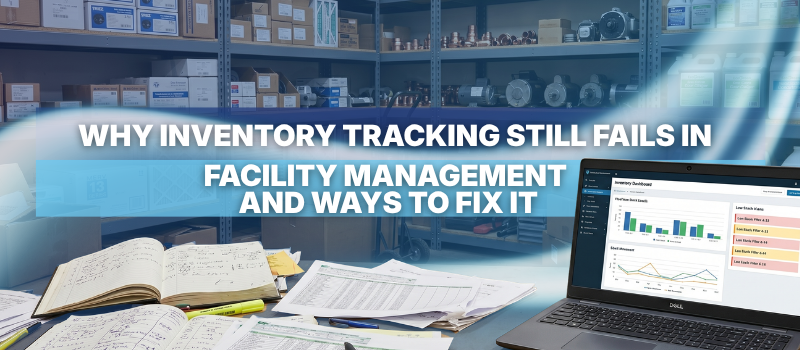
Industry articles for ServeDeck

Articles I have written for ServeDeck on practical facility management challenges and the role of connected digital workflows.