Content & LinkedIn
Rethinking B2B LinkedIn Content
Situation
When I stepped into my current role, I was new, eager to perform, and quietly asking myself a very practical question: am I worth my salary?
One area I looked at was LinkedIn. The page was active, but much of the content followed a familiar corporate pattern — festive greetings, product highlights, and updates that were informative without giving people much reason to engage.
What I Noticed
The issue was not necessarily the subject matter. It was the way the story was being framed. Training sessions, company milestones, team activities and product updates could all be useful content if they were presented around people, outcomes and relevance rather than simply announced.
What I Changed
I broadened the content mix to include training highlights, company wins, team stories, events and stronger narratives around otherwise ordinary updates. The goal was not to make every post dramatic. It was to give people a clearer reason to care.
What Happened
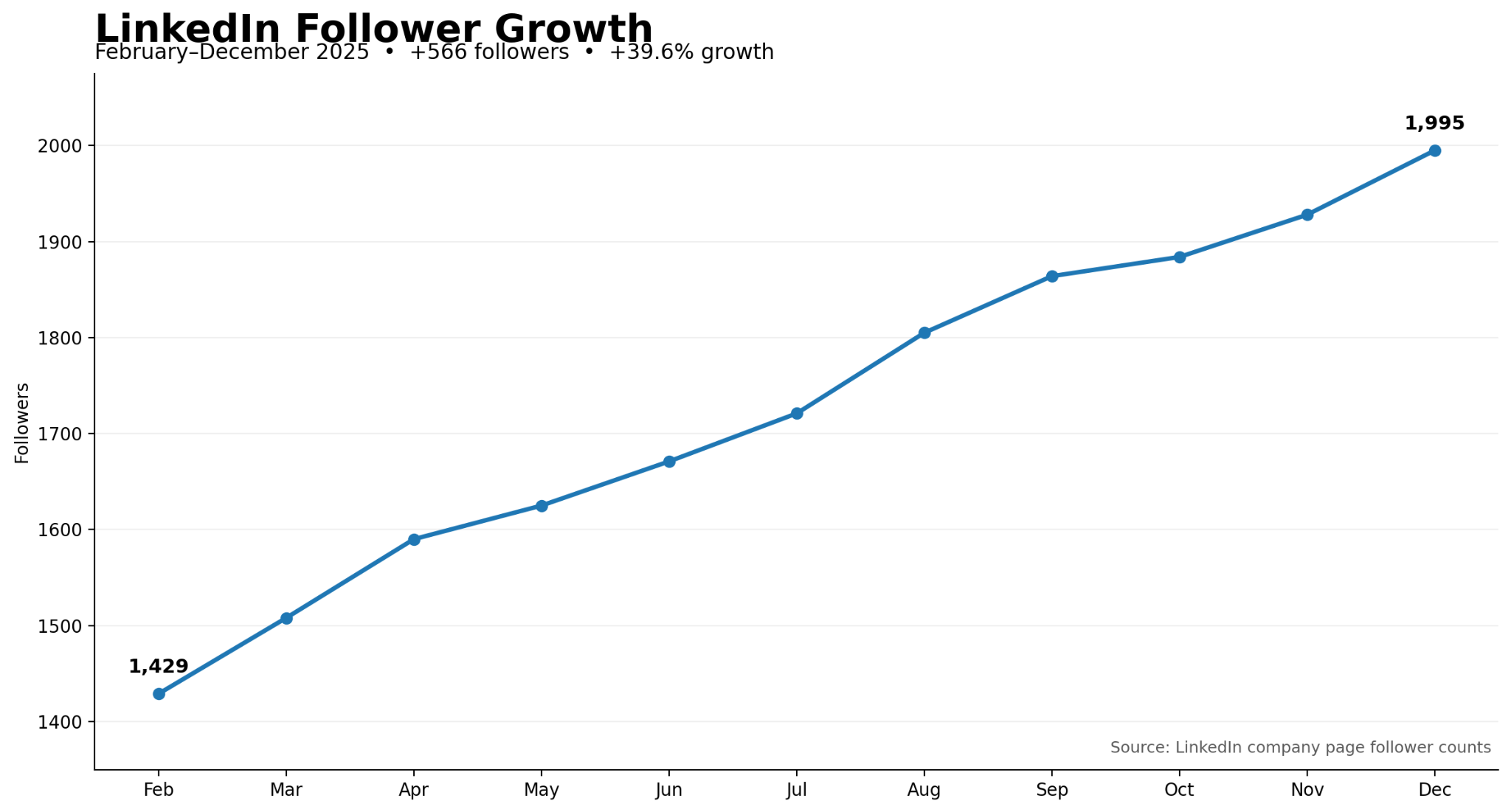
One of the first signs that the approach was working was gaining around 30 new followers in a single day. Over the following months, the company's LinkedIn audience grew by 35% within eight months.
What I Learned
"Sometimes the subject isn't boring. The framing is."
Partnerships
Collaboration and Partnerships
Situation
In a previous SME role, I worked on campaigns where the ambition was bigger than the budget available. Partnerships were one way to extend the campaign without simply asking for more spend.
What I Noticed
A relationship can get you into the room, but it does not automatically make a partnership worthwhile. The other side still needs a clear reason to participate.
What I Changed
I approached collaboration as a value exchange rather than a favour. Existing connections helped open conversations, while audience data and campaign relevance helped show why the partnership made commercial sense for both sides.
What Happened
The campaign secured approximately RM20,000 in sponsorship value. More importantly, it reinforced a principle I still use today: connections create access, but data and mutual value help turn access into collaboration.
What I Learned
Relationships can open conversations, but data and mutual value help make collaboration commercially sensible.
Lean Marketing
Marketing With Lean Resources
Situation
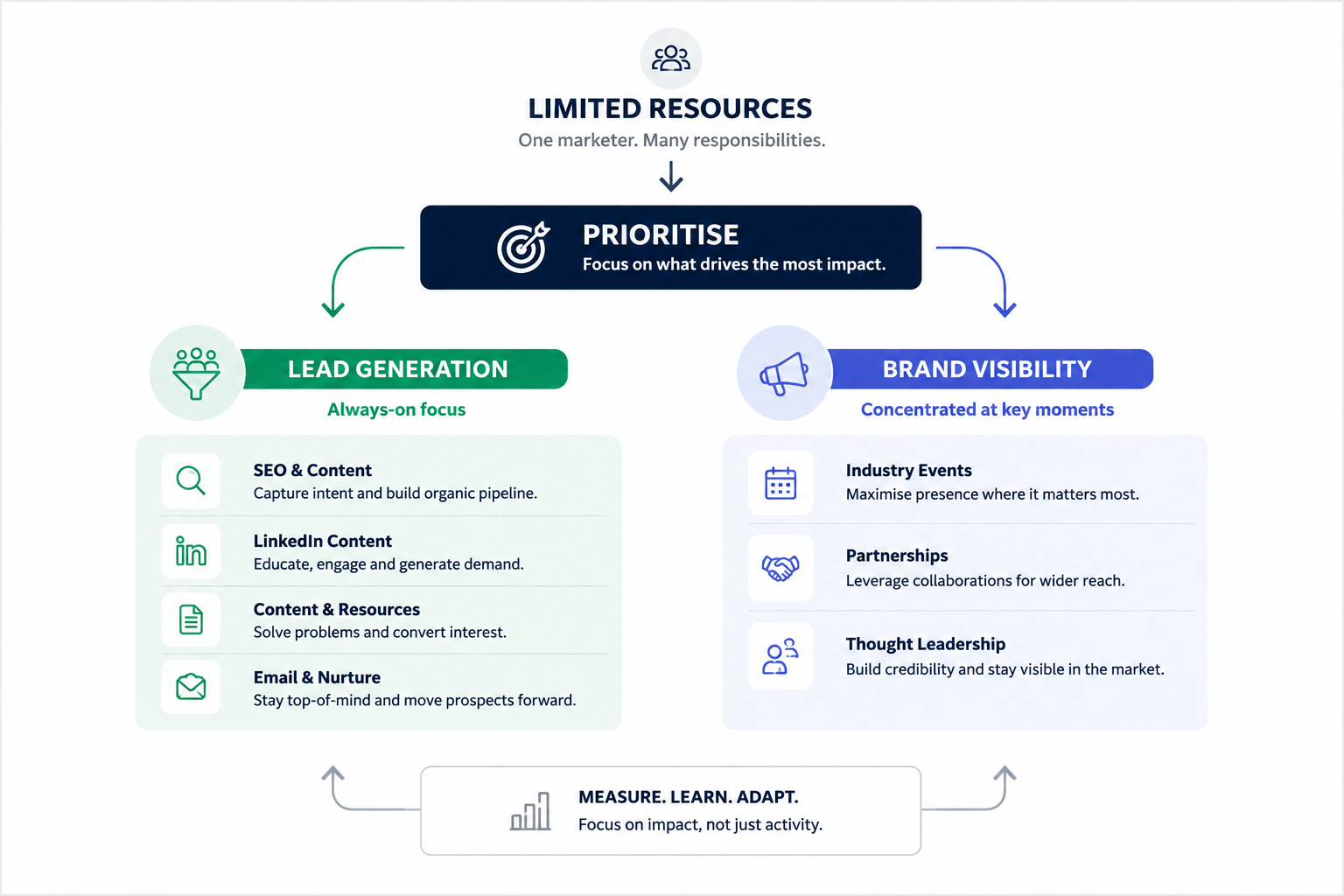
In a lean marketing setup with one marketing staff member, a limited advertising budget, and a long list of work to get through, the challenge was not coming up with more ideas. It was deciding what deserved attention first.
What I Noticed
We were trying to support events, LinkedIn, SEO, blogs, partnerships and day-to-day marketing needs at the same time. At one point, there was pressure to push for stronger lead numbers while still maintaining broad branding activity.
Trying to do both equally would have meant doing both halfway.
What I Changed
I separated the objectives instead of forcing every activity to do everything. Lead generation became the clearer priority for ongoing marketing work, while brand visibility was concentrated more heavily around industry events and other moments where the audience and context were already there.
What Happened
The result was a healthier flow of leads without abandoning brand-building altogether. Instead of spreading resources thinly across constant branding activity, events carried more of that role while the day-to-day marketing effort focused more directly on generating demand.
What I Learned
In a lean team, prioritisation is not about choosing between brand and performance forever. It is about deciding which objective matters most right now, and giving it enough focus to actually work.